
Jack Lemmon’s portrayal of C.C. “Bud” Baxter in The Apartment (1960) is widely regarded as a quintessential and famously sympathetic “yes-man” character, embodying the desperate, cynical, and ultimately redemptive nature of the corporate ladder-climber.
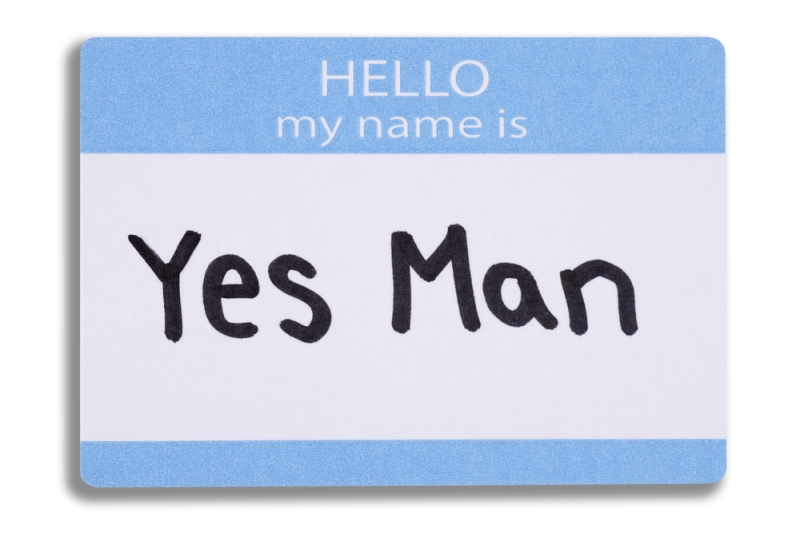
A “yes man” at work (widely, not just in the software world, but in every office, organization, or group) is someone who constantly indulges their colleagues, always saying “yes” without raising criticism or objections. This figure, often condescending or servile, aims to please, to avoid conflict or gain advantages, but risks harming the company by stifling innovation and autonomy. This way, critical flaws in plans are ignored, leading to, at best, inefficient strategies and, at worst, catastrophic failures.
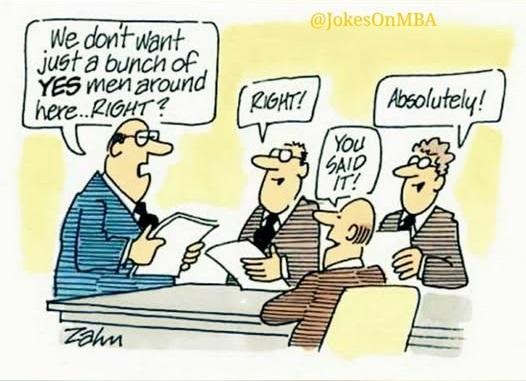
The best companies are those where you can allow yourself to say, “I disagree.” Where conflict is managed intelligently and maturely, not repressed. Where the boss is confident enough to accept confrontation, and wise enough to actively seek it.
Managerial courage isn’t about imposing your own vision. It’s about listening to those who think differently. It’s about knowing that:
A good “no” can save months of work and millions of euros
Warning! Moaning is NOT the contrary to always saying yes
A good “no” is way different than moaning. I don’t know how many times I’ve seen this misunderstanding.
Moaning is an infectious disease, like the common cold, but it’s transmitted through the ears. Exposure to high doses of moaning is seriously harmful to your health.
This attitude often takes refuge in gossip, but it isn’t good for the team culture and is frustrating and detrimental. Gossip doesn’t create positivity; it’s a terrible sport that harms everyone involved: studies show that those who gossip the most have the least career advancement, live by their wits, and never improve.

The power and pitfalls of functional stupidity at work
Insufficient critical reflection meant that clever models built by clever people led to “stupid” and dangerous decisions or executions. There is a need to break this cycle.
The paradox is that a dose of stupidity can be useful and produce good short-term results. It can nurture harmony, encourage people to get on with the job, and drive success. But it can also be catastrophic in the longer term, causing organizational collapse, financial meltdown, and technical disaster.
The key to balancing stupidity against smartness is a virtue borrowed from the poet John Keats: negative capability, the ability to sit with “uncertainties, mysteries, doubts without any irritable reaching after fact and reason.” Living critically with uncertainty is essential to any thriving organization with three practical skills:
-
-
- sharp observations
- good interpretations
- critical questions
-
That’s why engineers (like me) are born different. We are the ones who, when they see a problem, don’t philosophize. We pull out a sheet of paper, do some calculations, and say, “Yes, it can be done. But not the way you think.”
—–
Stay data-hungry. Stay data-foolish.
Your Friendly Neighborhood Digital Consultant