
If a problem is real, then why don’t people change?
Good question, and quite annoying, especially when you’re convinced you have a better solution than your competitors.
The answer is that change doesn’t depend solely on how strong your product is. It depends on four forces moving together.
Two push forward, toward a new solution. Two pull back, toward the current way of doing things.
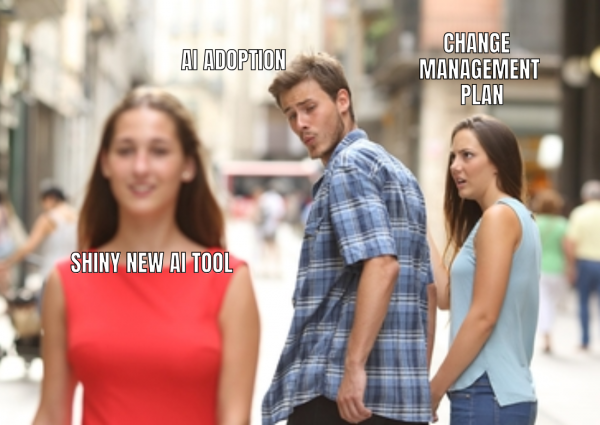
The thrust of the current situation
Something isn’t working. It wastes time and money, it complicates life. It makes you feel slow, disorganized, exposed. This is the force that sets everything in motion. It’s the reason why some people even begin to think, “This can’t go on.”
But be careful: suffering isn’t enough.
People can live with an uncomfortable situation for months. They can complain. They can adapt. They can make it work. This force ignites the movement. It doesn’t complete it.
The attraction of the new solution
Then there’s the second force: the one that leads to a new path.
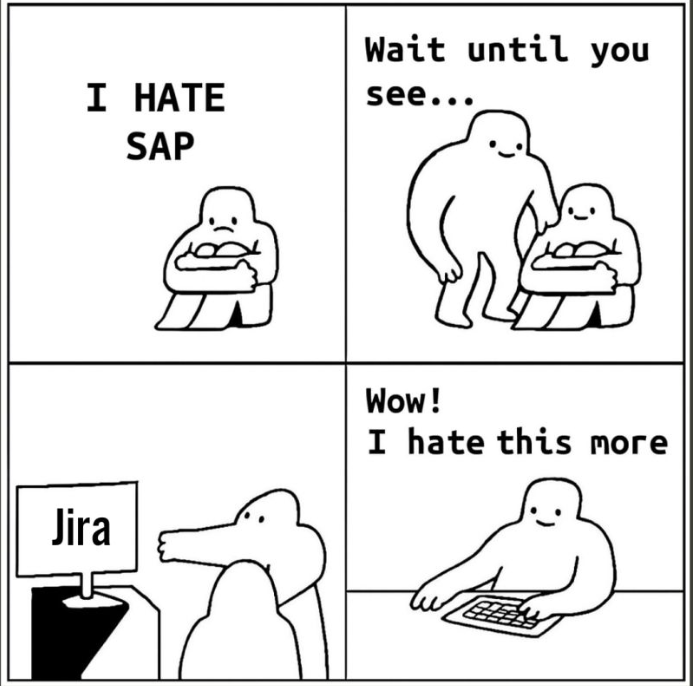
It’s the moment when people see a better possibility. More speed, more control, less hassle, more results. This is the part founders love most, because it coincides with the product’s promise: the value proposition. The “Why should you choose me.”
And it’s also the point where many people stop.
They think: “If they realize my solution is better, they’ll change.” But it doesn’t work that way, because change isn’t decided just by looking at what you can gain, it’s also decided by looking at what you risk losing.
The anxiety of the new solution
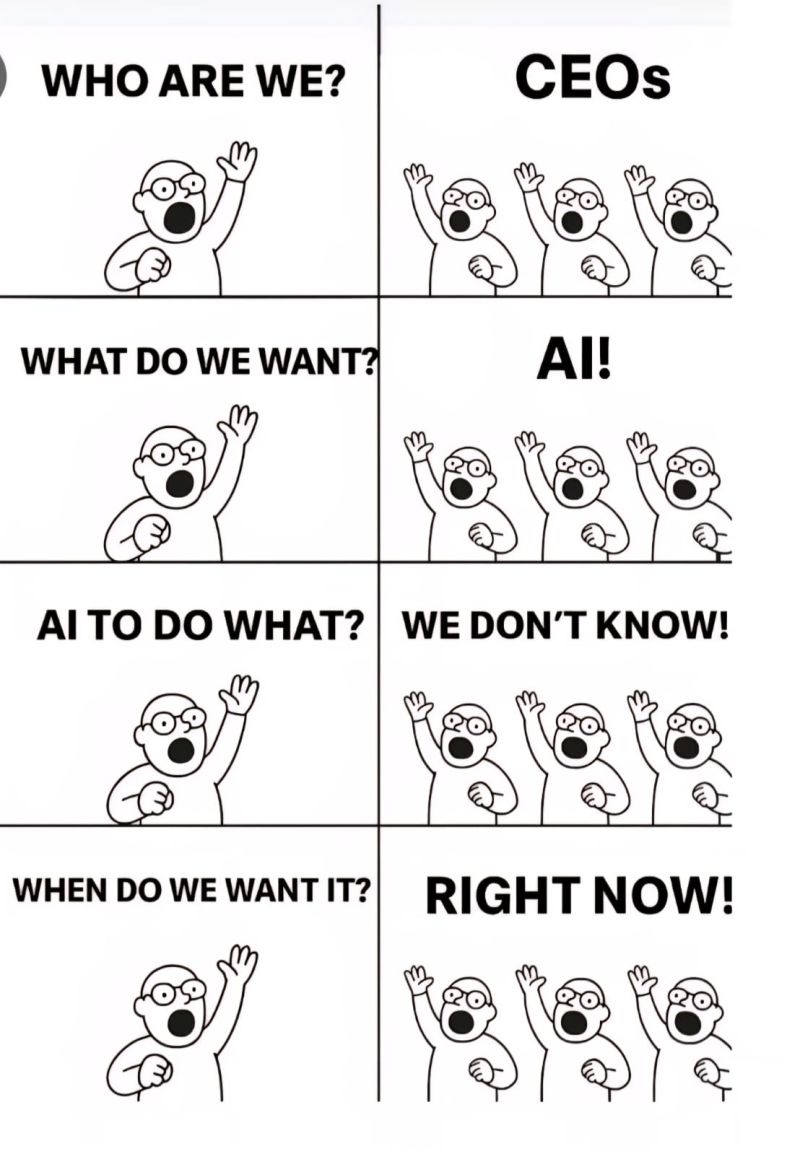
And here we come to the third force. The one that blocks. Because as soon as a new option appears, a doubt also arises:
-
-
- “What if it doesn’t work?”
- “What if I waste time?”
- “What if I have to relearn everything?”
- “What if I make the wrong choice?”
- “What if I spend money and end up back where I started?”
-
This anxiety almost never presents itself explicitly. It doesn’t say: “I’m scared.” It says: “I have to think about it,” “It’s not the right time,” “It seems interesting,” “Maybe later.”
Translation: I don’t feel confident enough to change yet.
And this is where many companies misdiagnose. They think they have a value problem. In reality, they have a perceived risk problem.
The weight of current habits
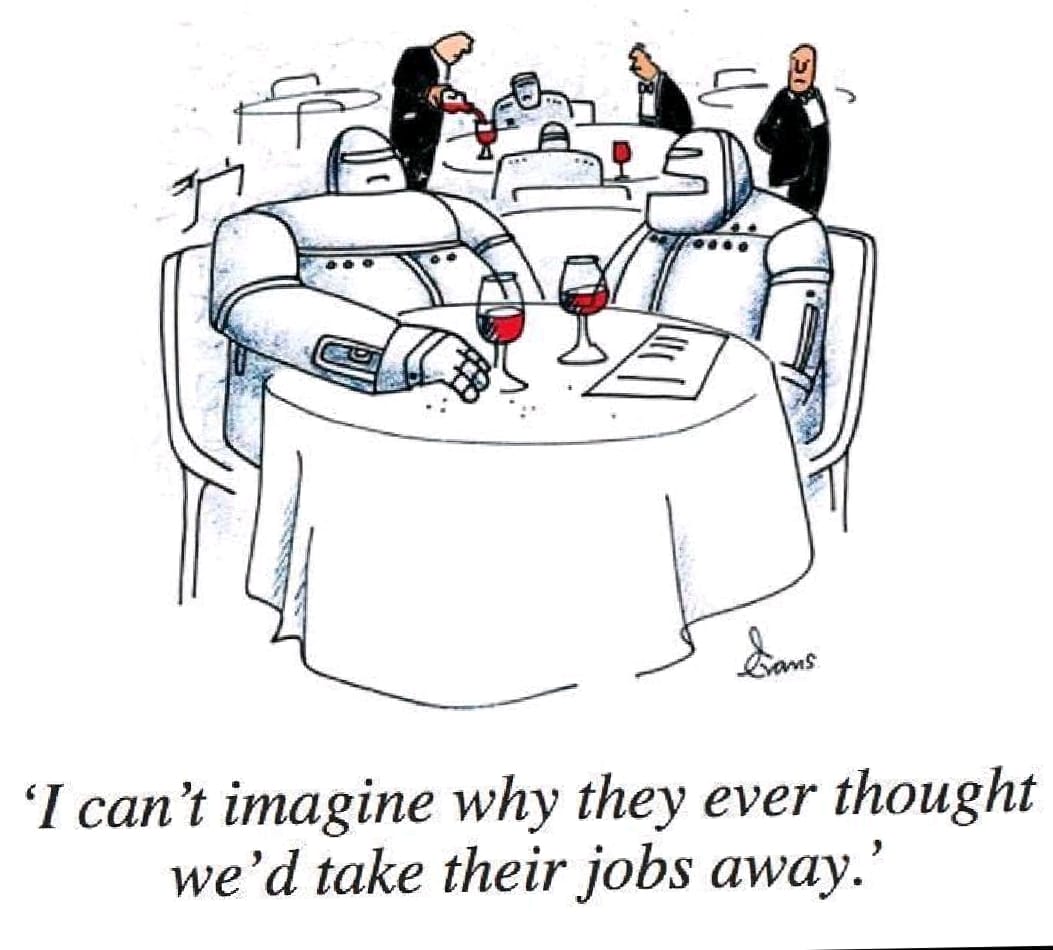
Finally, there is the quietest force. And often the strongest of all. Current habits.
Today’s solution may be slow, cumbersome, inefficient. But it’s known.
The person knows where to click. They know who to contact. They know how long it takes. They know how to get around limitations.
In other words: they already know how to survive.
And this matters a lot.
Because changing doesn’t just mean choosing something better. It means leaving something that, however imperfect, is familiar. And the familiar has a huge advantage: it doesn’t require mental energy. This is why many people stay on the “old path” even when they realize it’s not the best.
The goal for the software houses must be reducing the burden of what blocks change.
It means: making the first step simple, reducing anxiety, explaining clearly what’s happening, demonstrating that the transition is manageable, and removing friction before even selling value.
Because change only happens when the two forces pushing forward become stronger than the two pulling back.
Until that point, the customer stays where they are.
Even if the problem exists.
Even if the product is good.
Even if they tell you “it seems very interesting.”
In short: your product doesn’t just compete with other products. It competes with the current situation, with the fear of the new, and with the comfort of habits. And that’s why the best solution doesn’t automatically win.
The one that makes the change easiest to make wins.
The question to take away is this: what is the strongest fear or habit that’s keeping your customer where they are today?
If you can answer this well, you’re already improving the product before even touching a single feature.
—–
Stay data-hungry. Stay data-foolish.
Your Friendly Neighborhood Digital Consultant