
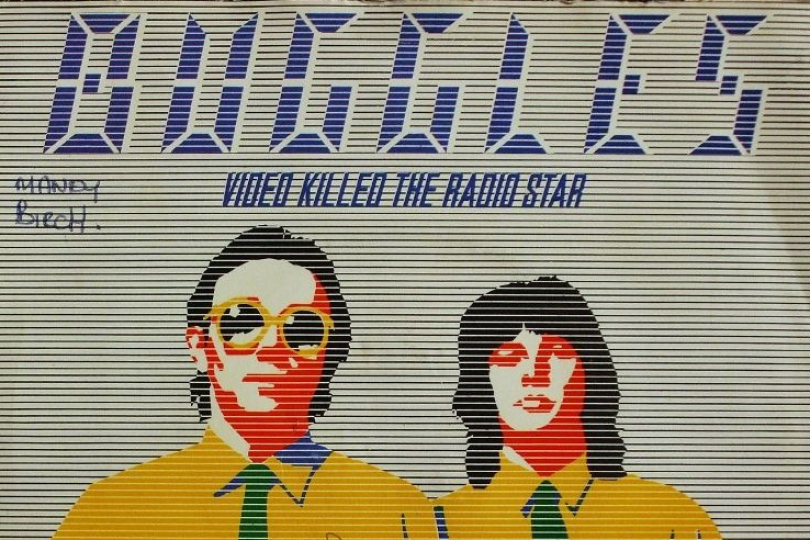

MTV (originally an initialism of Music Television) was launched on August 1, 1981, at 12:01 a.m., under the ownership of Warner-Amex Satellite Entertainment. The first video played on MTV was “Video Killed the Radio Star” by The Buggles.
Until then, music was just a matter of radio, vinyl and audio tape. Videos associated with the songs were just a new powerful advertising and marketing tool and not everyone was prepared for it.
Starting from the 80s, marketing was meant to find new ways, channels and audience to sell a product. But where are we now in the FES Industry?
Industry magazines: are they still worth the investment?
The many people I know who work for magazines will forgive me, but this is a legitimate question.
I have to admit that even if I’m a digital consultant, or probably for this very reason, I love till death “analog stuff” (the fact that in one lifetime I’ve recorded songs onto a cassette, burned them onto a CD, dragged them onto an MP3 player, and now stream them from my phone is wild).
Print media stands out for its tactile and visual quality, an emotional impact that no digital content will ever provide you. Magazine readers tend to have a more attentive and relaxed reading experience compared to those quickly scrolling through content on mobile or desktop devices. This makes print advertising an ideal medium for campaigns that focus on branding, credibility and trust.
But marketers need to show ROI (Return of Investment) and no one can tell you how many people, leafing through the pages of a newspaper, stopped to read your advertisement.
The big question today is:
If you have a budget of just 5k, what do you prefer: being available 24/7 on a web environment where you can constantly track who did what, or print a one time 1/2-page magazine just hoping to be seen?

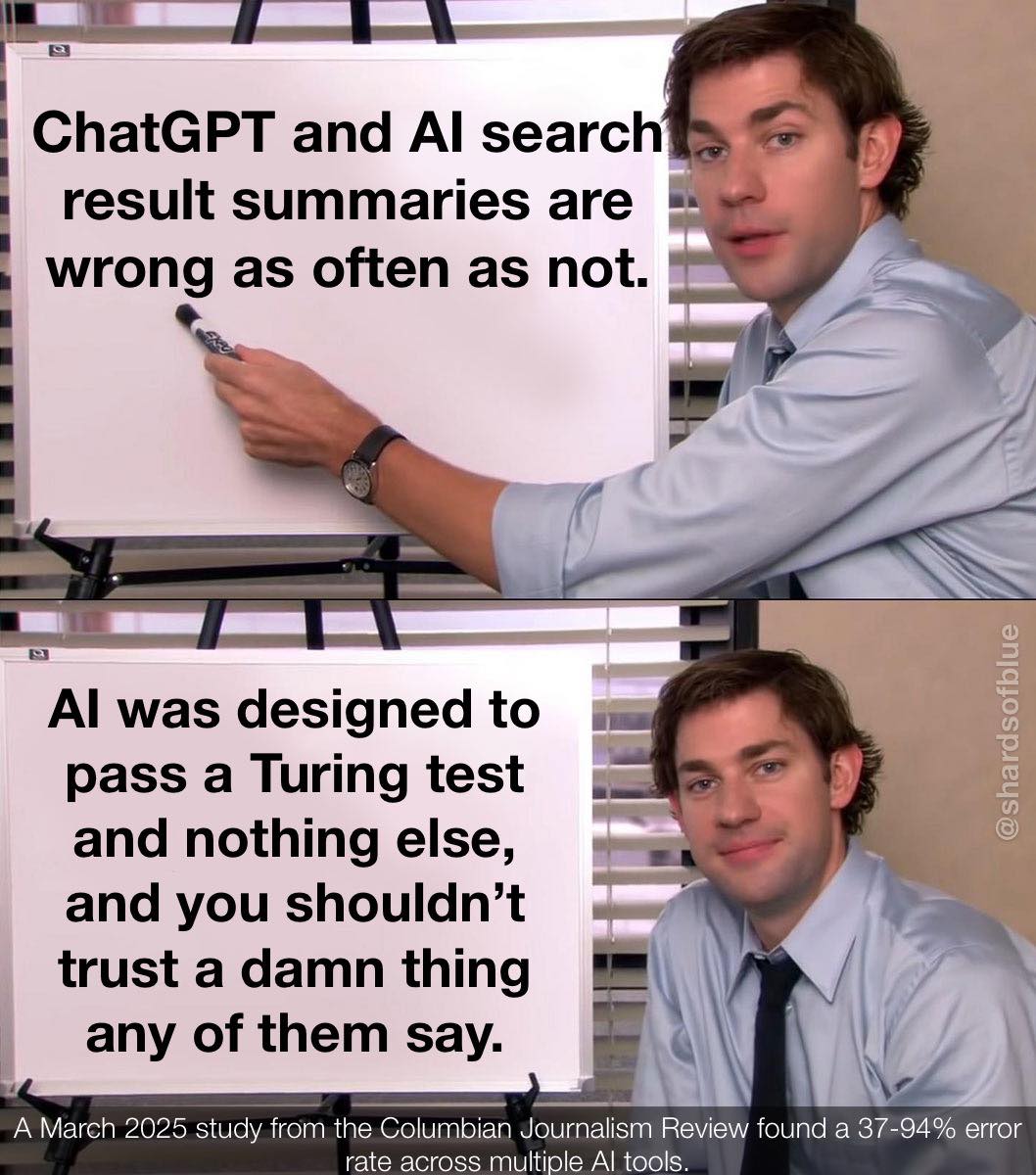
People are now pushed into AI search
An AI system responds based on what it’s learned, and what it’s learned depends on who wrote the sources, with what money, and for what purpose.
Institutionalized disinformation has probably always existed. But before, you had to buy advertising space or convince a journalist. Now you can buy a chatbot’s response, so it seems like a fact rather than a position.
Those who use AI tools to inform themselves, make decisions, or conduct professional research must know that what they’re receiving isn’t reality.
It’s a version of reality, constructed from sources someone has chosen, which in some cases may even be funded by someone with a vested interest.
Questioning AI, understanding how it works, and asking who wrote its sources is the new literacy.
With AI, we don’t have a list of alternative links to evaluate, to zap through, or to choose a source from. With AI, “normal” users stop evaluating sources because they trust the tool that has already evaluated them for them.
This is what we’ve been doing with Google for twenty years, which offers us the most reliable sources in the series, but with AI, the level of delegation is much deeper, because the answer arrives already summarized, without a list of links, in any language (an important element), filtering the scientific language and making it accessible to anyone.
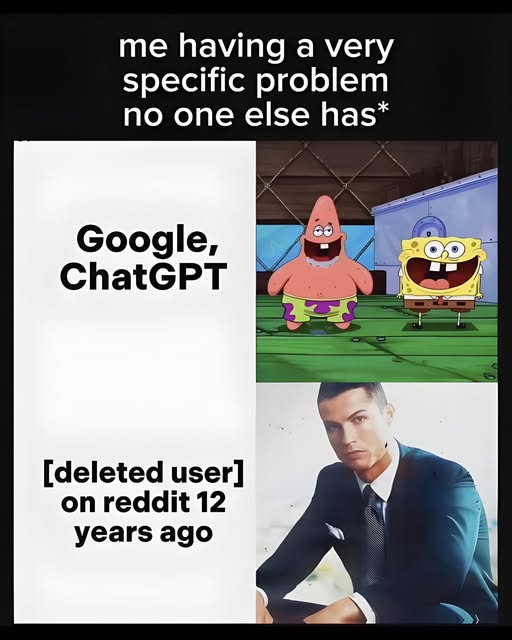
Reddit: an underestimated ally (or enemy)
This is a real conversation I had with my 16-year-old niece while she was buying € 60 headphones on her tablet:
16-Y-O N: I don’t look at ads when I have to buy something. I look at negative reviews.
FABIO: Why?
16-Y-O N: The positive ones aren’t useful. They’re written by paid people or by people who don’t understand anything. The negative ones are written by people who put in real money and then get frustrated. That’s when you really understand what you’re buying.
FABIO: What if there are no negative reviews?
16-Y-O N: Either it hasn’t been sold long enough, or no one buys it. In either case, I’m waiting.
FABIO: How do you know if a negative review is real or written by a competitor?
16-Y-O N: If he’s reviewed ten different products, all negative, it’s spam. If he’s written just one review, and it describes a specific problem with technical details, it’s legit.
FABIO: And what about manufacturers’ websites?
16-Y-O N: I watch those last. Just to pay.
FABIO: What if what is said in the forums is wrong or exaggerated?
16-Y-O N: It doesn’t change anything. If a thousand people say it and the company doesn’t respond, for me, it’s true.
FABIO: Do you think companies know this?
16-Y-O N: If they knew, they wouldn’t spend all that money on advertising while people talk bad about them on Reddit and no one responds.
She doesn’t come to a company’s website to be convinced. She arrives with a decision almost made, built elsewhere: three-star reviews on Amazon, niche forums, videos of strangers disassembling products in their garages on YouTube or TikTok.
Places that most companies don’t monitor, and often don’t even know exist. Yet, it’s there that the customer’s opinion is formed, before any sales contact.
And this is coming to B2B more quickly than you can imagine. Actually, it is already here.
Your reputation is built where you’re not.
Before the customer opens your website.
Before they respond to the salesperson.
Before they see whatever you’ve decided to show them.
—–
Stay data-hungry. Stay data-foolish.
Your Friendly Neighborhood Digital Consultant



Your blog is a treasure trove of valuable insights and thought-provoking commentary. Your dedication to your craft is evident in every word you write. Keep up the fantastic work!